When it comes to basement waterproofing, homeowners in Southeast Michigan generally have two main approaches: interior waterproofing and exterior waterproofing. Both are effective, but they work differently and are suited to different situations. Understanding the difference helps you make an informed decision about protecting your home.
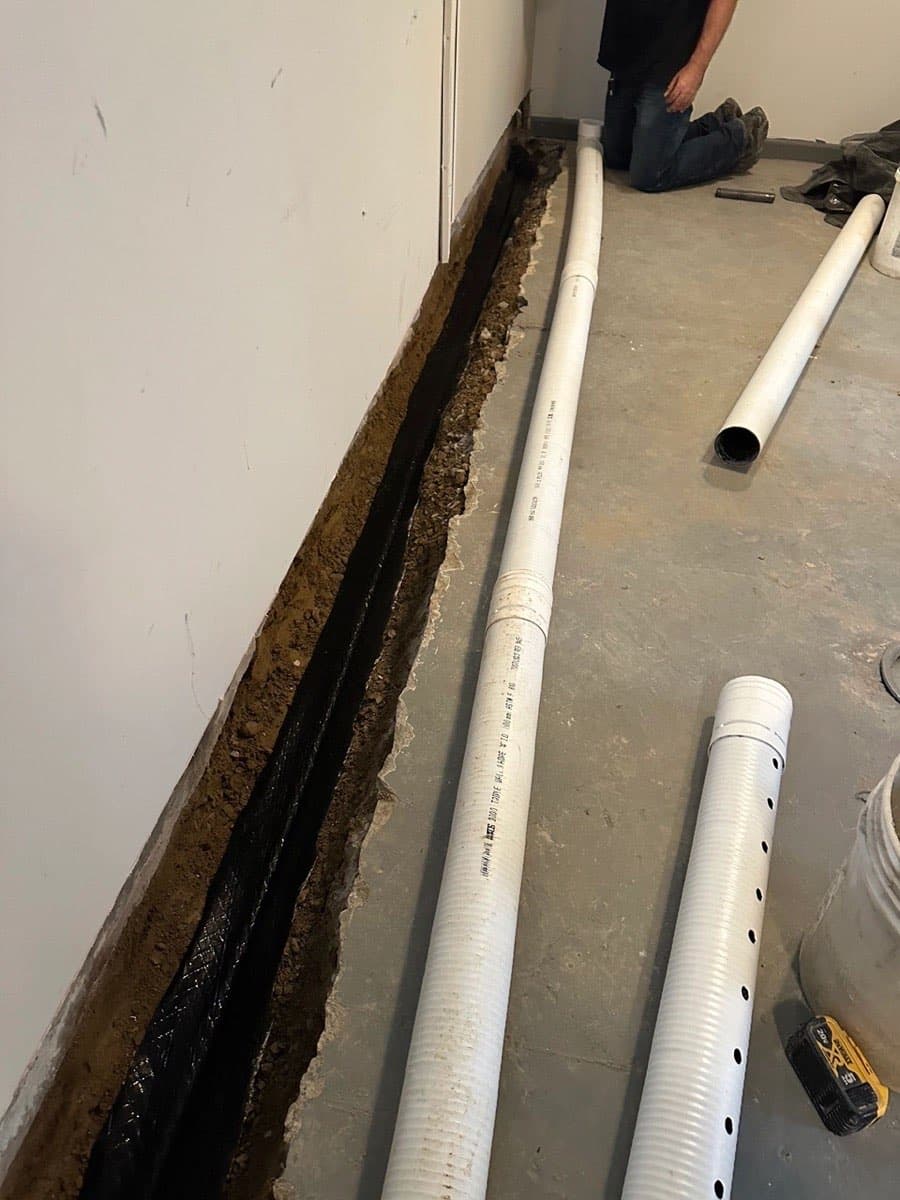
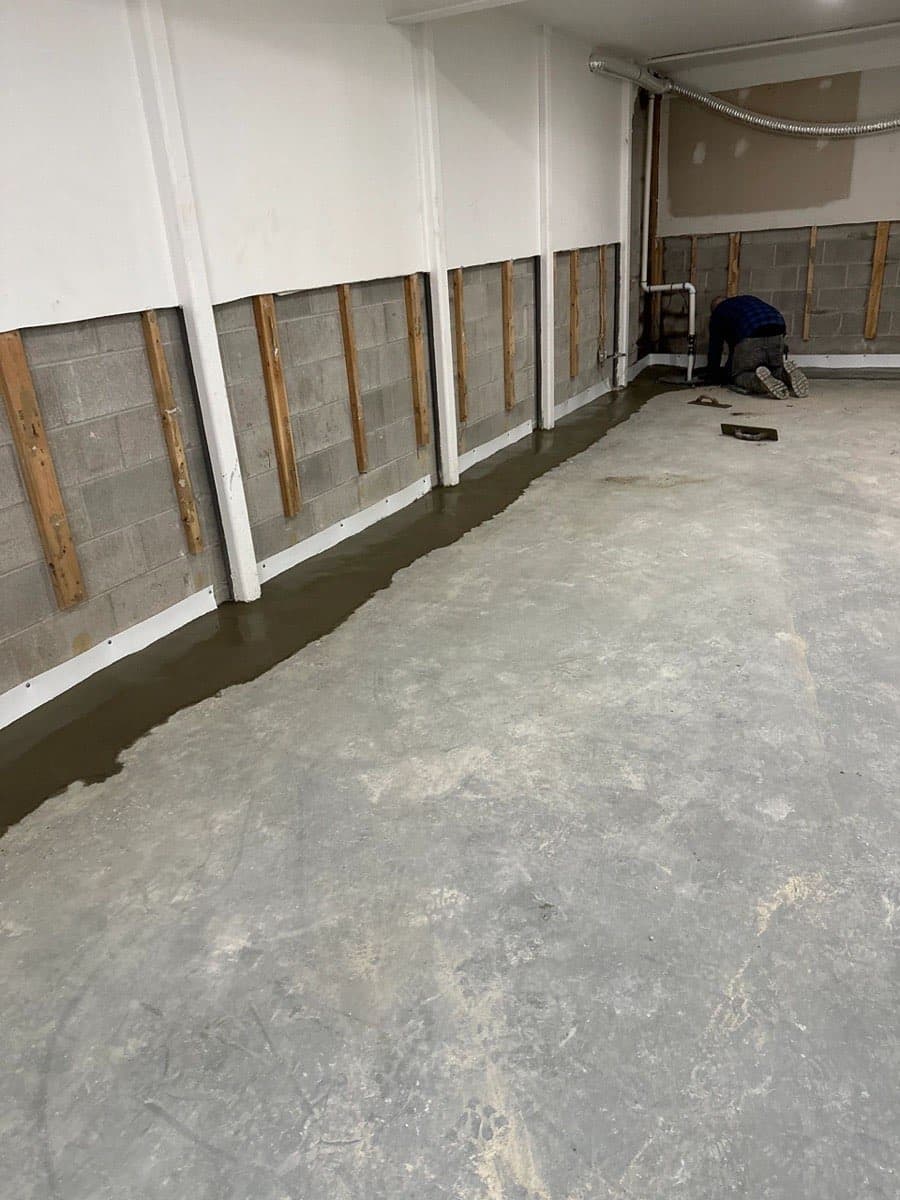
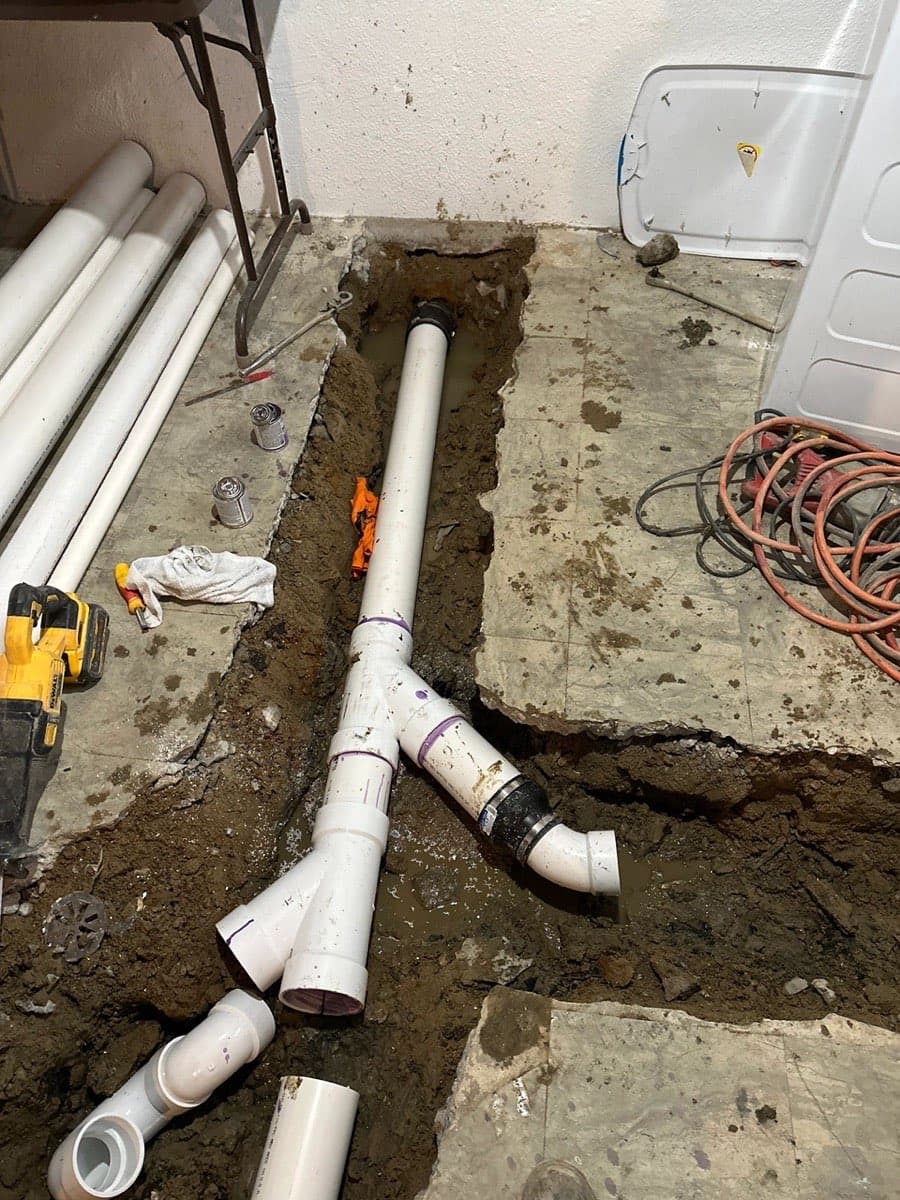
Interior waterproofing manages water after it enters your basement. The most common interior method is an interior French drain system — a perforated pipe installed along the perimeter of your basement floor that collects water and channels it to a sump pump. The sump pump then pumps the water out and away from your foundation. Interior systems often include a vapor barrier on the walls to redirect wall seepage into the drain.
Exterior waterproofing stops water before it ever reaches your foundation walls. This involves excavating around the outside of your foundation, applying a waterproof membrane or coating to the exterior walls, and installing drainage (exterior drain tile) to carry water away from the foundation. Exterior systems are the most comprehensive solution because they address the problem at its source.
Interior waterproofing is generally less expensive and less disruptive to install. There is no need to excavate your yard, landscaping, or driveway. Most interior systems can be installed in one to three days. Interior systems are ideal when water enters along the floor-to-wall joint, through floor cracks, or via hydrostatic pressure beneath the slab.
Exterior waterproofing is more involved and typically costs more because of the excavation required. However, it provides the most complete protection by preventing water from contacting your foundation in the first place. Exterior work is often recommended for homes with severe water problems, failing exterior walls, or when the homeowner wants maximum long-term protection.
In many cases, the best approach combines both methods. An interior drain and sump pump system handles groundwater and hydrostatic pressure, while exterior membrane and drainage protect the walls from direct water contact.
At SuperDry Basements, we evaluate your specific situation during a free inspection and recommend the approach that makes the most sense for your home, your budget, and the severity of the water problem. There is no one-size-fits-all answer — the right solution depends on your home.