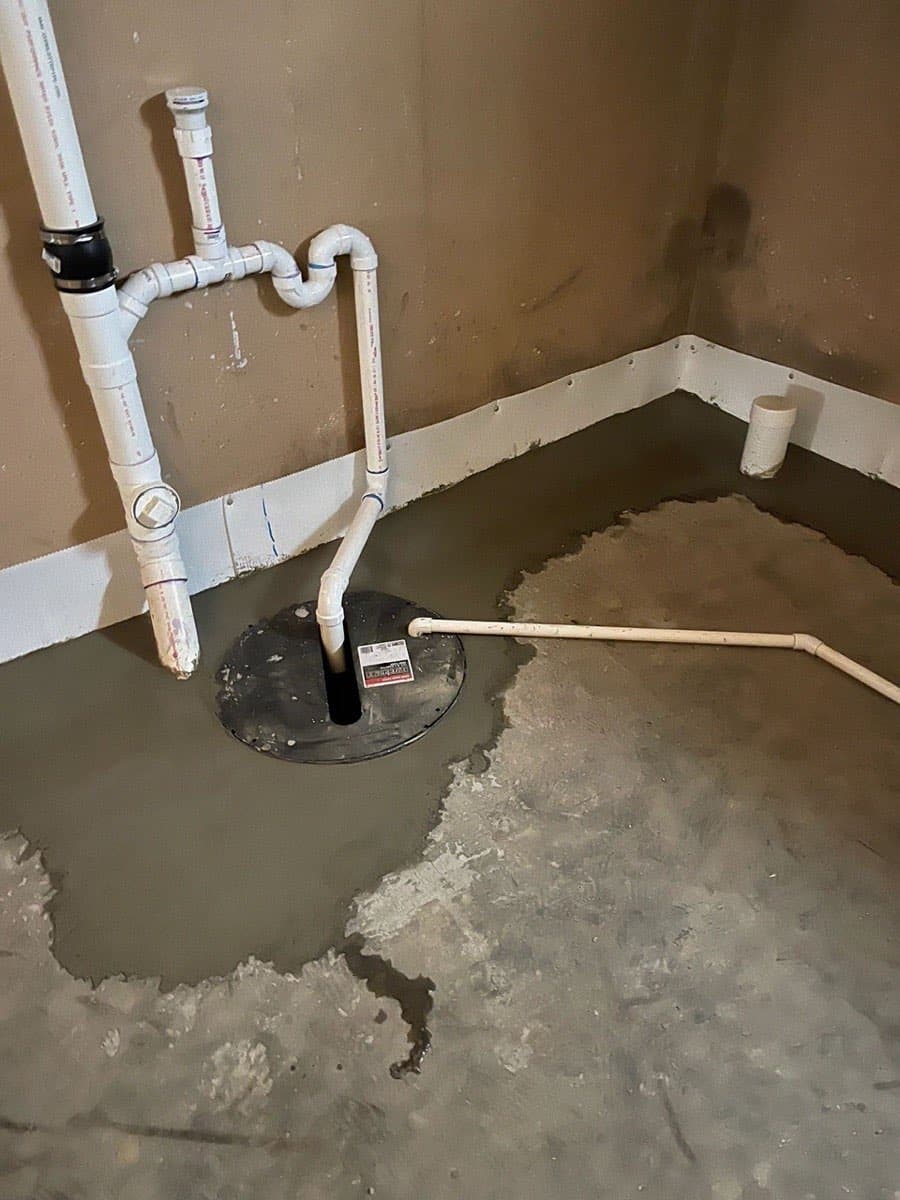
Your sump pump is the last line of defense between your basement and a flood. When it works, you barely notice it. When it fails — usually during the worst possible storm — the results can be devastating. A little routine maintenance goes a long way toward ensuring your pump is ready when you need it most.
First, test your pump regularly. At least once every few months, pour a bucket of water into the sump pit until the float switch activates. The pump should turn on, remove the water, and shut off automatically. If it does not, you have a problem to address before the next big storm.
Second, check the discharge line. Make sure the pipe that carries water away from your home is clear of debris, ice, or obstructions. In Michigan winters, discharge lines can freeze if they are not properly routed or if a freeze guard is not installed. A blocked discharge line means the pump is running but the water has nowhere to go.
Third, clean the pit. Over time, dirt, gravel, and debris can accumulate in the sump pit. This debris can clog the pump intake or jam the float switch, causing the pump to fail or run continuously. Remove any debris you find in the pit during your regular checks.
Fourth, test your battery backup. If you have a battery backup sump pump — and you should — test it by unplugging the primary pump and verifying the backup activates. Check the battery charge level and replace the battery according to the manufacturer's recommendations, typically every two to three years.
Fifth, know the age of your pump. Most sump pumps last seven to ten years. If your pump is approaching that age, plan for replacement before it fails. Replacing a pump on your schedule is far better than dealing with a flood because your old pump gave out during a storm.
If your sump pump is making unusual noises, cycling rapidly, or running nonstop, these are signs it needs attention. Contact SuperDry Basements — we install, replace, and maintain sump pump systems throughout Southeast Michigan.